If I could travel back to 11/25/64, the day I turned 13, to talk with myself, I’d warn him about the dangers of reading science fiction. In the Fall of 1964, I became addicted to science fiction after discovering Robert A. Heinlein. I wouldn’t try to convince my younger self not to read science fiction, because I’m quite sure he wouldn’t listen.
This morning I listened to “What Is It Like to Be a Cucumber?” on AppleNews+. It’s a profile of scientist Michael Levin in the Intelligencer section of New York Magazine. Levin read science fiction when he was young, but he mostly read science books. Over the years, I’ve realized that was my mistake too.
Future historians might claim Levin is the kind of maverick scientist whose radical insights were as paradigm-shifting as the Copernican Revolution. Just go watch a few of these YouTube videos to see what I mean, or read Michael Pollan’s new book A World Appears.
When I was a kid, I wanted to grow up and become a scientist because of reading science fiction. But instead of studying science, I just kept reading more science fiction. Throughout my life, whenever I’ve read a biographical piece on a scientist who mentions they read science fiction, I’ve identified with them. But I’ve also wondered why I didn’t become a scientist like them. It’s my biggest regret.
Looking back, I remember I had plenty of opportunities. Teachers often encouraged me and tried to help. But I ignored them. All I wanted to do was to get back to reading science fiction. This morning I also listened to “The Cities That Said Yes to Drugs” about dealing with the problem of drug addiction (from The Atlantic). Many cities have enacted laws to protect the rights of drug users, but they only created problems for other citizens. There is so little that can be done to help a determined addict.
But is it fair to compare my love of science fiction to drug addiction? Wasn’t it more like a religion? Science fiction gave my younger self something to believe in. Could I have gotten young Jimmy to read the 1951 book The True Believer by Eric Hoffer?
Hoffer concluded the only way to get someone to give up a belief system was to replace it with another. Could I tell Jimmy about enough science books to divert his interest?
I did read some popular science books, but for every science book I read, I read ten science fiction novels. If I could go back in time, I’d try to convince young Jimmy to reverse that ratio. If I could convince him that I was he, but at the other end of life, and I wanted to give him some good advice. Would he accept it? People don’t normally accept advice. If I had a time machine, my current theory to alter my personal evolution would be to convince 13-year-old me to read 10 science books before reading 1 science fiction book.
But what science books? Have I thought this through?
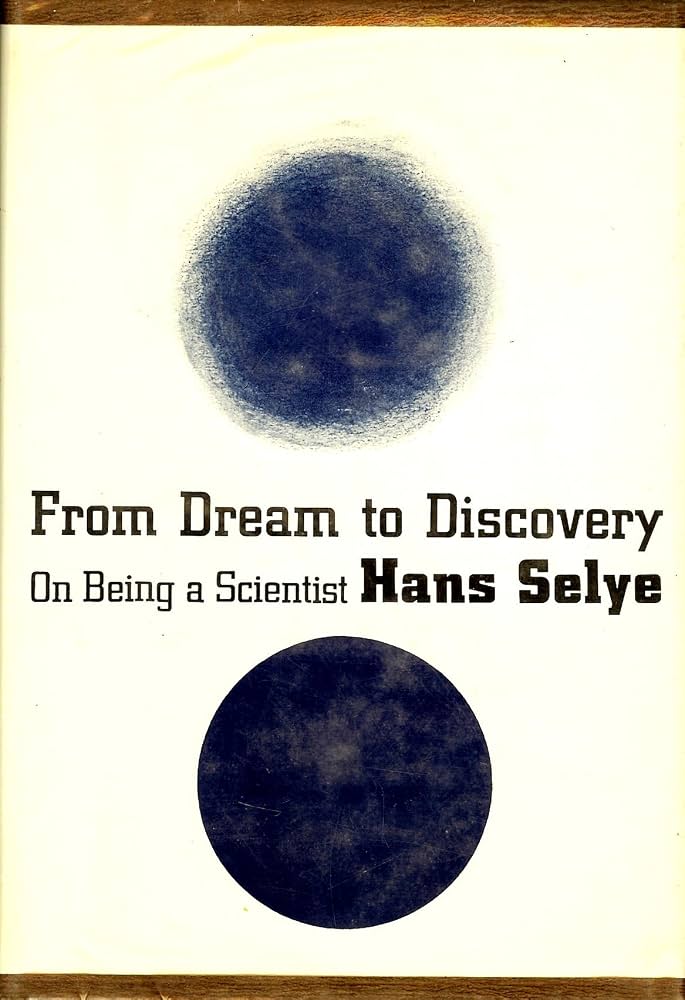
If I told Jimmy to go to the library and get From Dream to Discovery: On Being a Scientist by Hans Selye, which was published in 1964, could he have read it and understood it? In 1964, I was reading all the Heinlein juveniles. I could point out to young Jimmy that in every one of the Heinlein juveniles, Heinlein advocated studying science and mathematics.
Were there science books at Homestead Junior High library that could have changed the direction of my life if I had read them? I don’t think I’m smart enough to have discovered or invented anything great. But I could have had a more inspiring life if I had worked as a scientist. I do remember thinking back in the 8th grade that I wanted to be an astronaut, or astronomer, or marine biologist. But I also know computers were the subject that fascinated me most once I got older.
I started studying computers in 1971. But the focus was business, not science. I think things would have been much different if I had studied computers for science. I wonder if any of these books had been in my school library. Realistically, they might be too advanced for a 13-year-old.

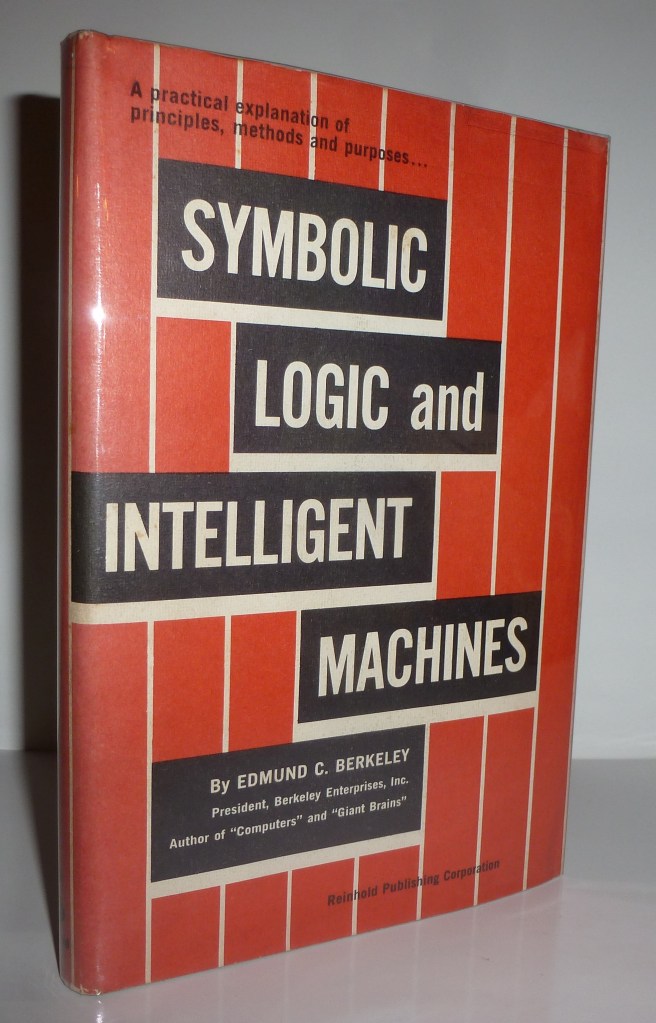
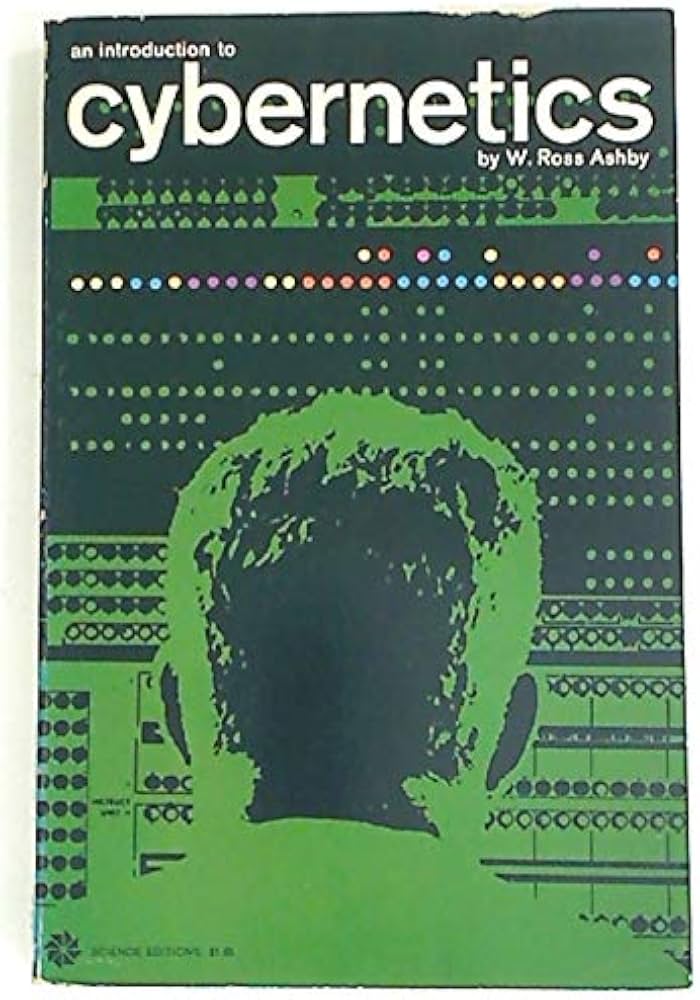
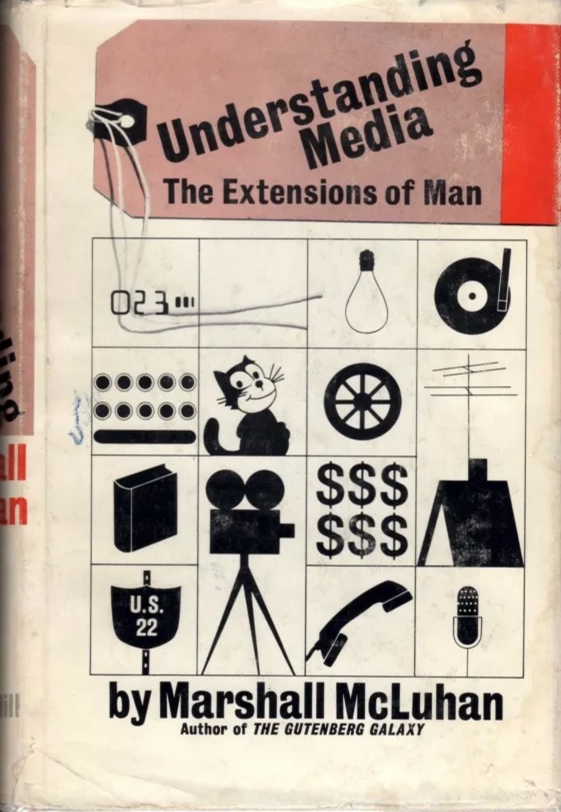
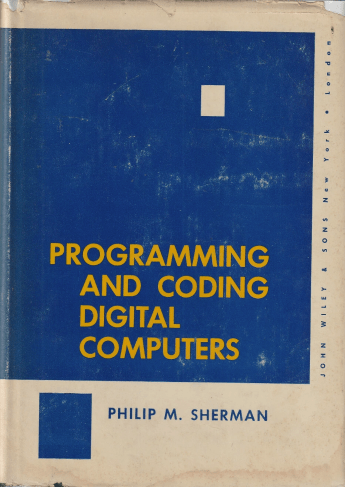
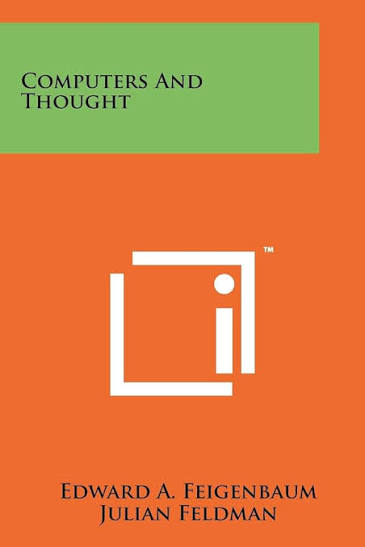
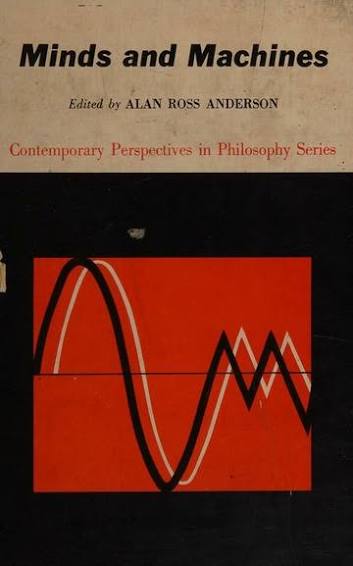

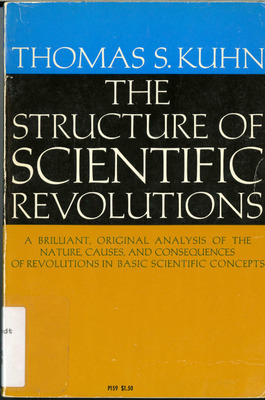
Maybe asking my younger self to read 10 science books for every science fiction book is too ambitious. Looking at those titles makes me rethink this fantasy. Maybe I’d plead with him to read one science book for every science fiction novel. Or even simplify it to promise to faithfully read Scientific American every month.
I did read some nonfiction books at that time, but nearly all of them were about astronomy, space travel, or rockets. I really did have space on the brain. This is long before Tom Wolfe coined the term “The Right Stuff.” I was a four-eyed, geeky kid who did not have the right stuff. Even if I did have a time machine, I couldn’t make a silk purse out of a sow’s ear.
Ever since I turned 50, I’ve had this fantasy about going back in time and warning my younger self about our future. In nearly all versions of this fantasy, it ends when I conclude my younger self wouldn’t have listened to me. I know that I couldn’t change much. People don’t. But could I have been a little bit different?
Over the years, I’ve seen many successful people brag on television that they wouldn’t have changed one thing in their life. I always thought that was weird, because I would have changed countless things. But little things.
The most consistent thing I wished I had done differently was to read less science fiction. I loved the stuff. I still do. However, I overindulged. I keep thinking of all the other kinds of books I could have read, and how reading them might have made me a wiser or more creative person. That’s fascinating to fantasize about.
By the way, whenever I indulge in this fantasy, I also realize that I could change how I read right now. I have veered away from science fiction some, but I’m like a gyroscope that always returns to its original position.
James Wallace Harris, 8/4/26 (Happy Birthday, Janis)


I would advise my younger, 1960’s self to read MORE Sci fi (Tau Zero was more informative than physics class). Like Einstein said, questions are more valuable than stock answers and sci fi inspires great questions.
Sci fi was easier to come by than math & science books. School libraries (by high school graduation, I attended 13 schools in 7 different states), and most schools had only 1 or 2 math/science books for every 10 biographies and every 30 “normal” non fiction, and they were the usual few. Only a few towns had decent science/math book selections available to “kids” and parents weren’t always available to check out “adult level” books for me.
ebooks and youtube & howto have totally changed learning availabilities. today’s youth have no idea how lucky they are.
LikeLiked by 2 people
Wow, you moved even more than I did. I went to 15 different schools, but only in four states. Most of the nonfiction books I read came from base libraries. Although, even in poor schools in small towns, I often found interesting old nonfiction books to read. Usually, they were science books that were way out of date. I was a big reader of biographies.
LikeLiked by 1 person
In retrospect, moving was an advantage. I grew up knowing there is nothing “everybody knows” and there is always another way to look at things. Powerful advantages.
LikeLike
Huh.
At 68, I (like you) have read an awful lot of skiffy (and fantasy), starting, arguably, in kindergarten (earlier if you count Dr Seuss). A few years ago I started making an effort to read more nonfiction; more recently, I’ve started reading something “spiritual” in the morning and some poetry before bed.
But I do not regret one minute that I spent on SFF. I do not regret any of the time I spent trying to write the stuff, either, though I think it would be fair to call my success limited — three and a half published stories, by my count.
All my SFF reading has created an odd approach to MF. (Mainstream, Mimetic, Mundane… take your pick.) I’ve developed a habit of looking for clues that tell me what kind of world the story is taking place in: which is actually kind of helpful when dealing with, say, a Jane Austen book, set in a richly-described society very different from the one I live in; but when reading a contemporary MF novel, it can become downright bizarre.
If I had a time machine, if I could go back in time and tell my younger self one thing … what would it be? Probably I’d tell him to pay more attention to the people around him. Either that, or to take guitar lessons.
LikeLiked by 2 people
Yes, I too statred reading SF at a very early age. My father had a modest collection of paperback SF anthologies and they were one of the first things I read alongside of more child-appropriate literature. Saying my favorite children’s book is “The Playboy Book of Science Fiction and Fantasy” is a great conversation starter. Or ender. But I think my advice to the younger me would also be read a bit less, socialise a bit more.
LikeLike
I should have done that too. Before science fiction I was always outside playing with the other kids.
LikeLiked by 1 person