
“The Hurkle is a Happy Beast” by Theodore Sturgeon is story #29 of 52 from The World Treasury of Science Fiction edited by David G. Hartwell (1989), an anthology my short story club is group reading. Stories are discussed on Tuesdays, Thursdays, and Saturdays. “The Hurkle is a Happy Beast” appeared in the very first issue of The Magazine of Fantasy and Science Fiction (Fall 1949) when it had the title The Magazine of Fantasy.
“The Hurkle is a Happy Beast” is a cute story about a creature from another dimension thrown onto Earth. The Hurkle is blue, has six legs, and is kitten-like. It follows a theme of things discovered by humans in the present that come from other times and dimensions, however, it’s not up to the classics of this theme like “Mimsy Were the Borogoves,” “The Twonky,” or “The Little Black Bag.”
Even though “The Hurkle is a Happy Beast” is a slight effort by Sturgeon, it has been often reprinted. However, our discussion group wondered why Hartwell selected a second story by Sturgeon for The World Treasury of Science Fiction. It definitely wasn’t one of Sturgeon’s better efforts.

This listing from CSFQuery shows Sturgeon’s most recognized short stories. If Sturgeon deserved two stories in this monumental anthology, I would have picked “Thunder and Roses” or “A Saucer of Loneliness” because their lengths were close to “The Hurkle is a Happy Beast.” But why give Sturgeon two stories. Wasn’t there a better option from 1949?

Well, not exactly. However, my guess is Hartwell wanted to lighten things up by using Hurkle. To me, the obvious substitute for a cute science fiction story with an animal would be “Bears Discover Fire” by Terry Bisson, unfortunately, it came out the year after Hartwell’s anthology. Another possibility is “The Ugly Chickens” by Howard Waldrop, it came out in 1980, so it was available. Or maybe “The Star Mouse” by Fredric Brown?
“The Hurkle is a Happy Beast” is not a bad story. It’s cute enough, but it’s lightweight. This got me thinking about being a science fiction writer in 1949 and having to crank out short stories to make a living. Imagine sitting at a typewriter and knowing your survival depends on your writing a story that will impress editors and readers. I doubt Theodore Sturgeon was thinking he needed to hit one out of the park for future editors of retrospective anthologies. He just needed to sell a story to earn a penny or two a word. There were damn few science fiction writers who lived solely off selling fiction. Sturgeon may have been one since he was so prolific.
In 1949 Sturgeon sold ten short stories according to ISFDB:
- “Farewell to Eden” – Invasion From Mars edited by Orson Welles (anthology)
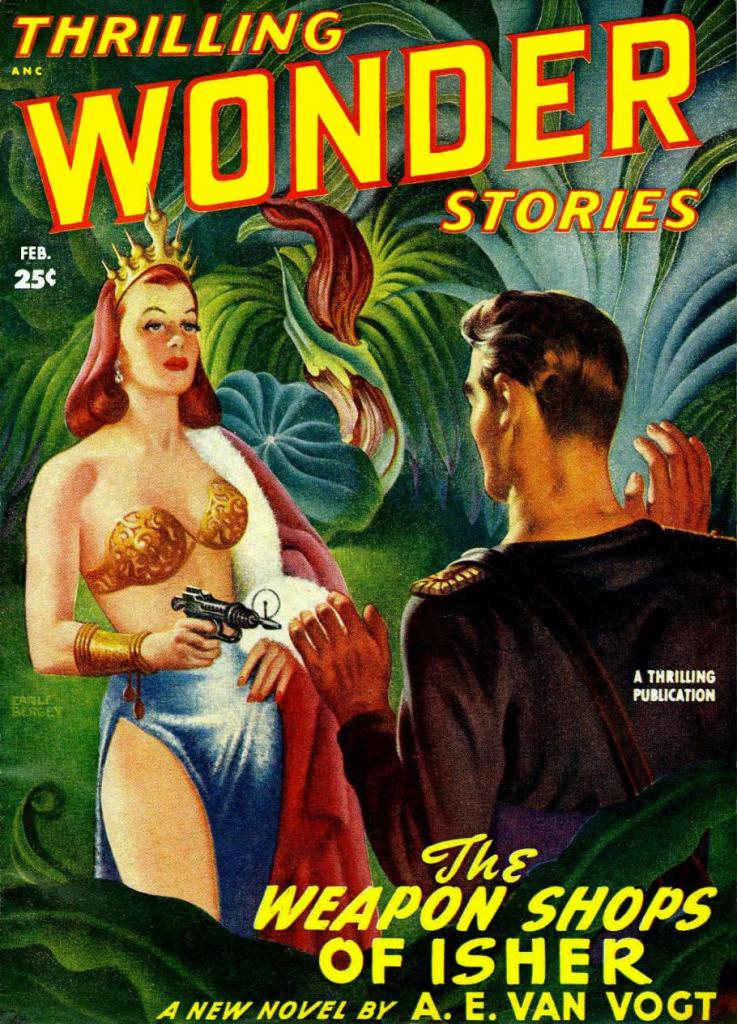
- “Messenger” – Thrilling Wonder Stories (February 1949)
- “The Martian and the Moron” – Weird Tales (March 1949)
- “Prodigy” – Astounding Science Fiction (April 1949)
- “Die, Maestro, Die!” – Dime Detective (May 1949)
- “Scars” – Zane Grey’s Western Magazine (May 1949)
- “Minority Report” – Astounding Science Fiction (June 1949)
- “One Foot and the Grave” – Weird Tales (September 1949)
- “The Hurkle is a Happy Beast” – The Magazine of Fantasy (Fall 1949)
- “What Dead Men Tell” – Astounding Science Fiction (November 1949)
Is it really fair to judge “The Hurkle is a Happy Beast” at all? We think because a story is in Hartwell’s anthology it must be one of the best SF short stories from around the world from the 20th century. But should we think that?
After our reading group has plowed through many of these gigantic SF anthologies I’m starting to wonder about their value and their goals. The Big Book of Science Fiction turns out to be a very accurate title, and by that consideration, an honest one. My problem, and for my fellow group members, I believe, is the phrase “World Treasury” gives us great expectations.
“The Hurkle is a Happy Beast” is a pleasant enough story. I would have been fine reading it in any magazine in 1949. Even though Bleiler & Dikty and later Asimov & Greenberg picked it for their annual best-of-the-year anthologies, which I’ve both read, I don’t think Sturgeon’s story was even at that level. If I had read it in a theme anthology about cute alien creatures it might have been acceptable. It was in two of those, The Science Fiction Bestiary edited by Robert Silverberg, and Zoo 2000 edited by Jane Yolen.
If you follow the links to those two anthologies you’ll find lists of not-so-famous stories. Evidently, this theme isn’t a gold mine for classic SF stories. My favorite alien pet is Willis from Heinlein’s Red Planet. Heinlein and Norton often added cute aliens to their young adult books.
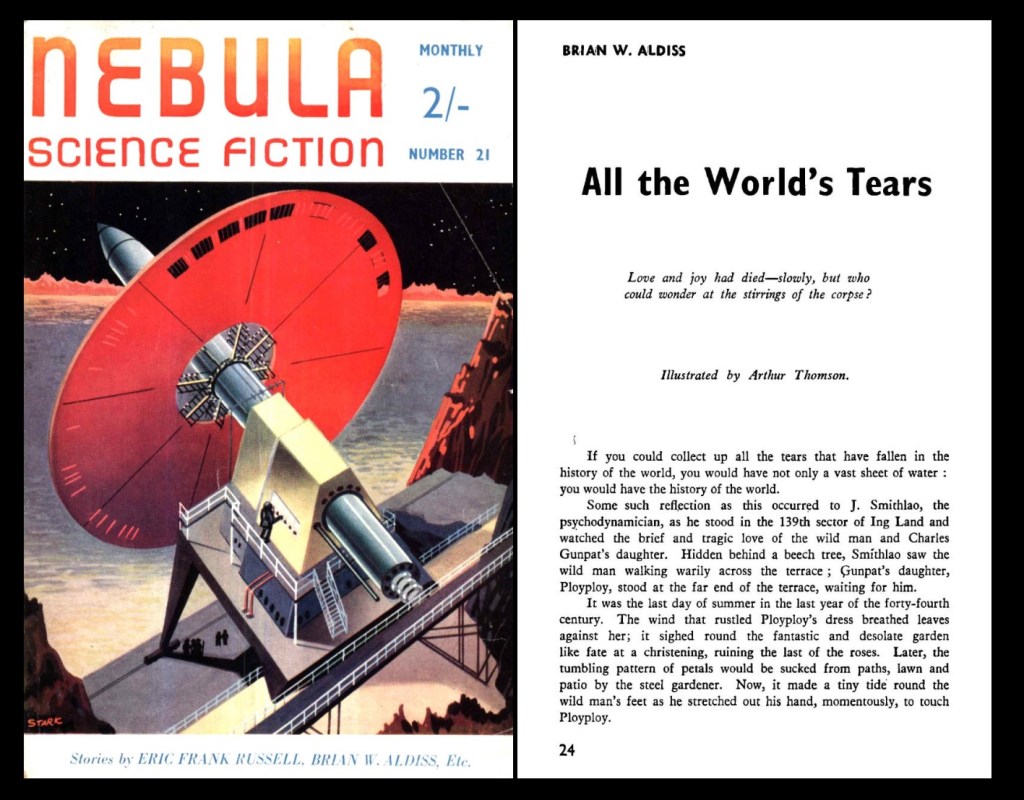
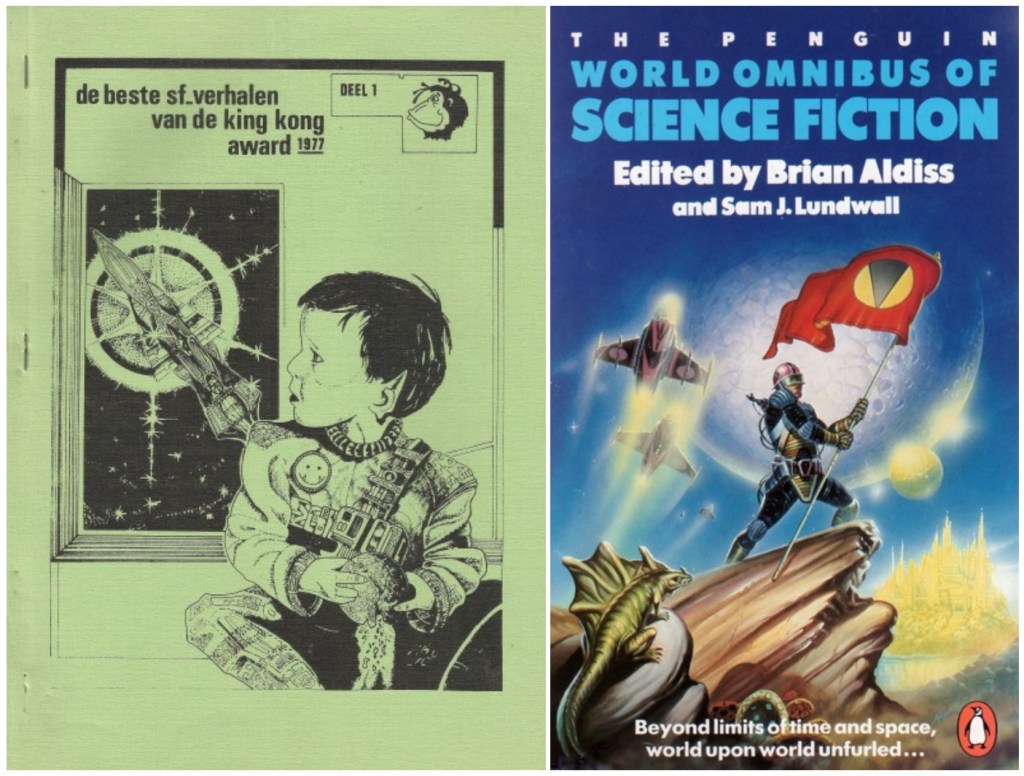
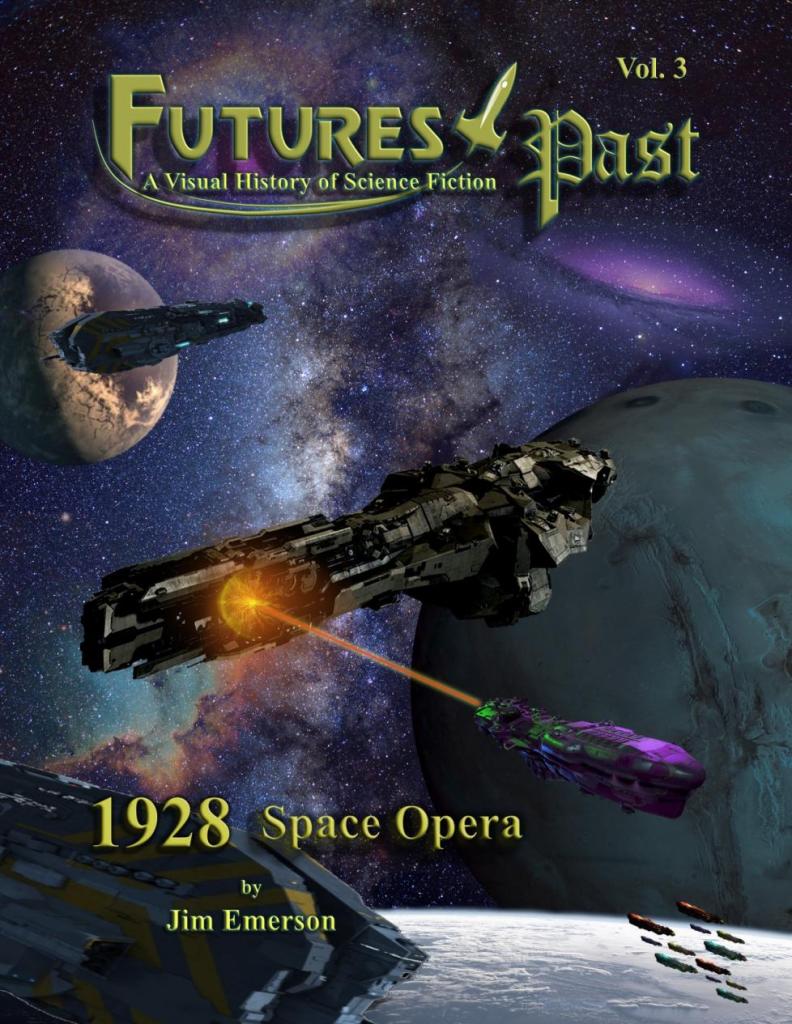
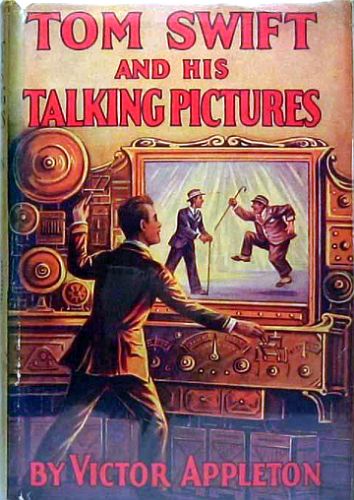
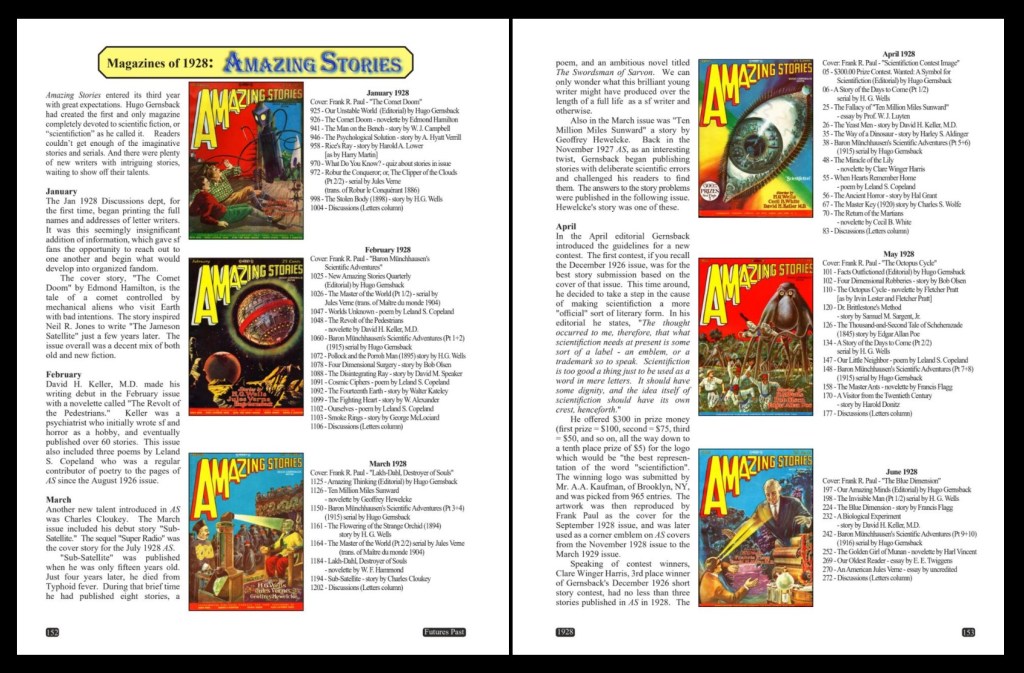
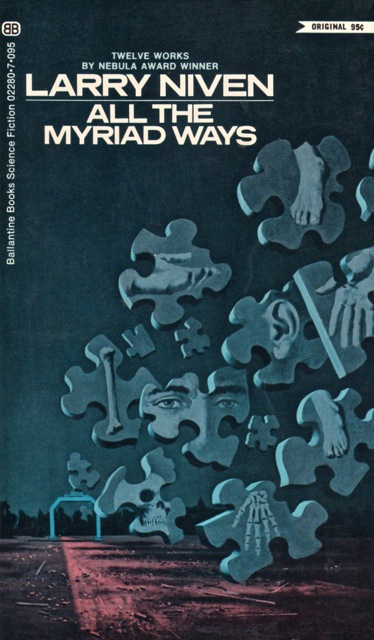
Just for grins, here are some of the covers for Sturgeon’s 1949 publications.



James Wallace Harris, 7/11/23









 Classics of Science Fiction